
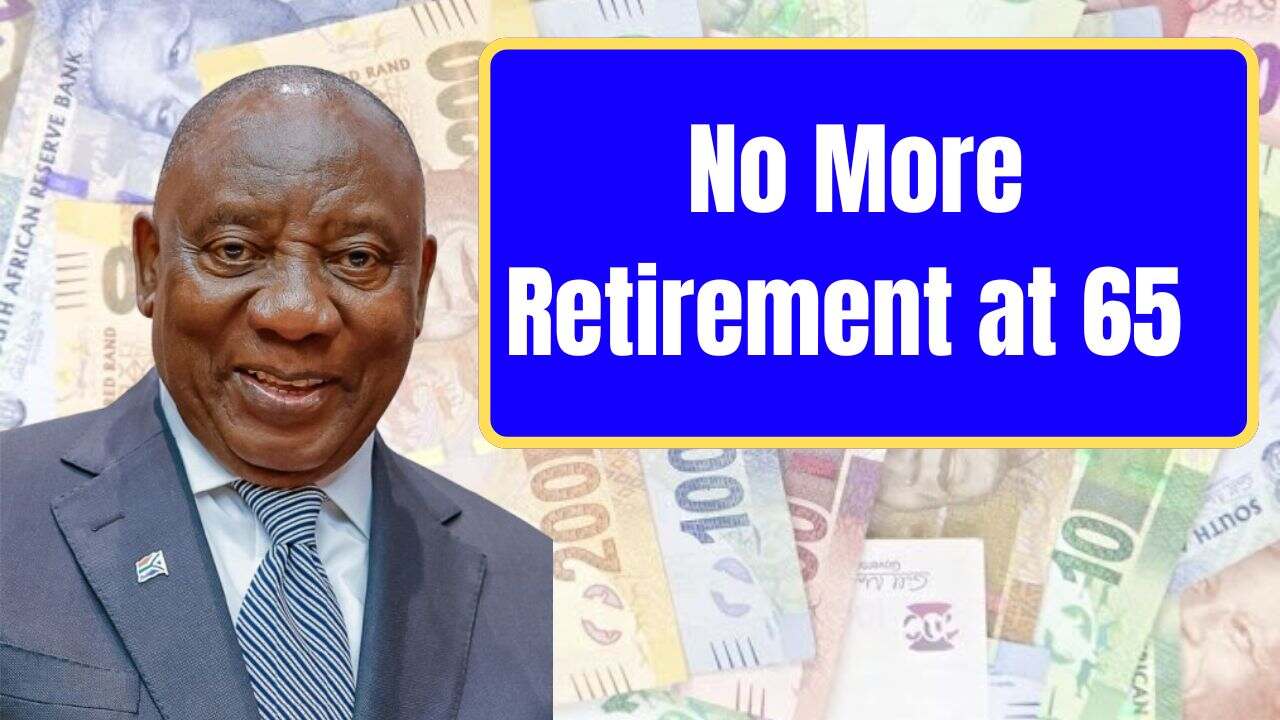
For decades in South Africa, turning 65 was widely seen as the age when people stopped working and began retirement. That era is now shifting as policymakers, employers, and financial authorities rethink what retirement means in the modern economy. Rather than a fixed age when everyone retires, South Africa’s approach is evolving toward flexible and extended working lives, often beyond 65.
The reasons for this transition are rooted in changing demographics, longer life expectancy, and growing economic pressures on pension systems. South Africans today tend to live healthier, longer lives, but this also means that pension funds must support retirees for more years — stretching the financial sustainability of retirement benefits.
Why Retirement at 65 Is Being Reconsidered
Traditionally, retirement age has been tied to social norms and early pension design, but these norms may no longer fit current realities. Increasing life expectancy and improved healthcare mean many people could work longer if they choose. At the same time, South Africa’s public pension funds face demographic pressures as the number of retirees grows faster than contributors.
Extending the working age is seen by some planners as a way to balance the pension system: more years of contributions and later payouts can help funds remain viable for future retirees. The shift also aligns South Africa with global trends, where retirement ages have gradually risen in many countries to reflect longer lifespans.
New Retirement Age Rules and What They Mean
Under recent policy changes and discussions, South Africa’s official retirement age has been raised to 67 for many workers, particularly in the public sector. This means that full pension eligibility and benefit access may now occur later than the traditional 65-year benchmark. Early retirement before this age remains possible but often results in reduced pension payouts.
For example, in the public sector under the Government Employees Pension Fund (GEPF), employees can now work until 67 before receiving full retirement benefits, compared with 65 previously. This change gives workers additional years of contributions and can increase future pension amounts.
Early Retirement and Its Financial Impact
South Africans who opt to retire before the new age — say, at 60 — may still do so, but their benefits may be lower. Because pension payouts are calculated over a longer expected retirement span, withdrawing earlier usually reduces monthly income amounts. This encourages many to plan for longer careers or build extra personal savings.
These updated retirement dynamics make financial planning more important than ever. Individuals nearing retirement are advised to assess their contribution histories, personal savings, and overall financial preparedness if they choose early retirement or decide to stay in the workforce longer.
Broader Impacts on Society and Workers
The move away from rigid retirement at 65 affects not just individuals but broader labour dynamics. Older workers may remain part of the workforce longer, contributing valuable experience and skills. Employers are also encouraged to adapt workplace policies to support older workers with flexible hours, alternative roles, and updated pension structures.
However, workers in physically demanding jobs or with health constraints may face challenges with extended working years. For these individuals, early retirement options, health considerations, and retirement planning become especially critical.
Planning for a Longer Career Journey
Overall, South Africa’s retirement landscape is becoming less about reaching a specific age and more about balancing financial readiness, work capability, and personal choice. As retirement rules evolve, careful planning, savings strategies, and understanding of pension benefits are essential for anyone approaching their later working years.
Also Read: SASSA Christmas Grants 2025: Early Payments and Updated Requirements for Beneficiaries…